




Nepal requires you to understand local labor laws and adopt ethical recruitment practices so your hiring complies with regulations and protects workers; this guide explains visa and contract requirements, wage standards, dispute resolution, and due diligence when using agencies, and directs you to practical resources like How to Hire Employees in Nepal: A Guide for Global Employers so you can structure lawful, fair employment relationships.
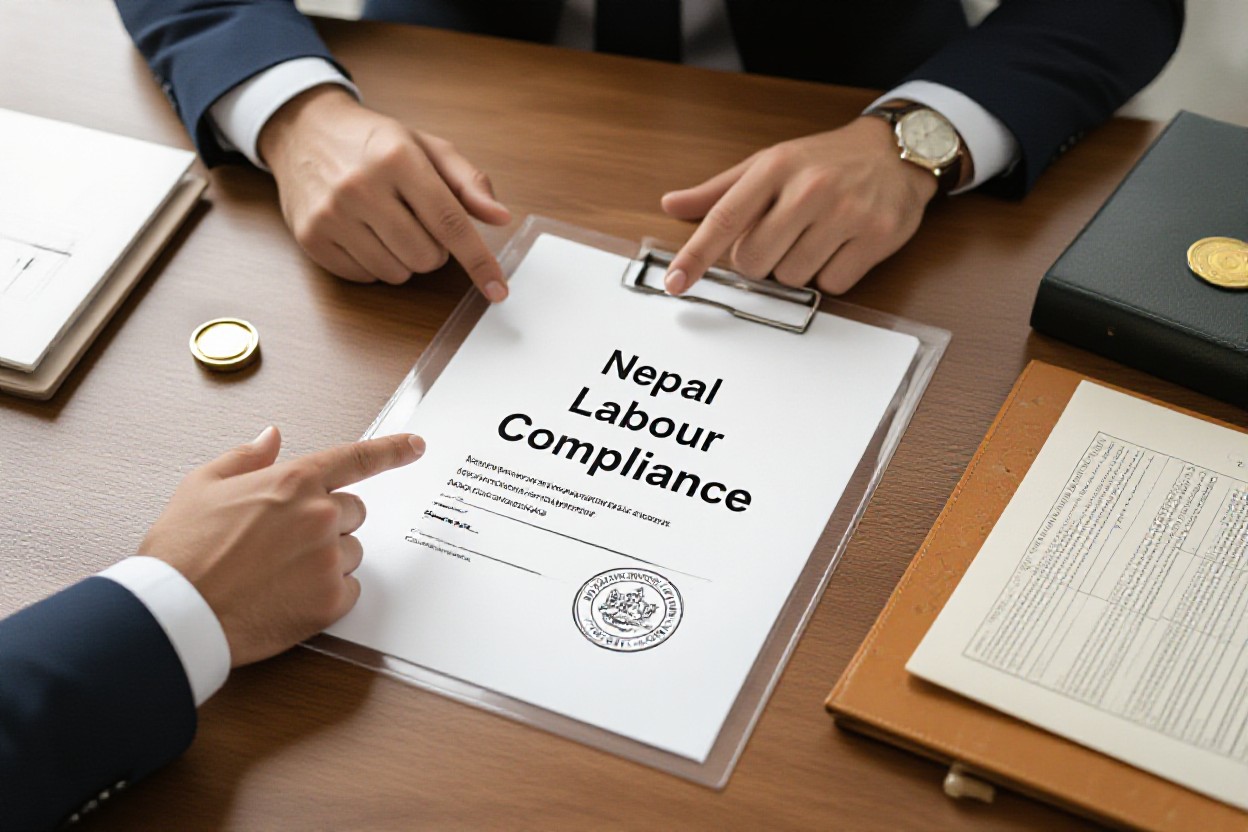
You must align your hiring with Nepal’s Labour Act (2017) and the Foreign Employment framework, register with the Department of Foreign Employment, and enforce transparent fee and contract practices; over 200,000 Nepalis leave annually for work abroad and remittances exceed 20% of GDP, so your choices affect communities. Adopt an Ethical Recruitment Policy that bans illegal fees, ensures verified contracts, and documents grievance channels.
You need to factor language, religion and local norms into recruitment: use Nepali or candidate’s mother tongue for contracts, respect festivals like Dashain and Tihar when scheduling departures, and account for caste, gender roles and family consent dynamics; for example, many female candidates prefer employers who guarantee safe accommodation and female supervision for domestic roles, while male workers often prioritize clear wages for construction or Gulf placements.
You mitigate legal and reputational risk by following ethical standards: noncompliance can lead to suspension or cancellation of recruitment licenses, contract disputes, and costly repatriation cases. Ethical conduct also improves retention-agencies reporting transparent fees and verified job descriptions see fewer grievances and smoother visa processing.
You should implement concrete controls: written contracts in Nepali and the destination language, pre-departure orientation, verified medical checks, insurance and repatriation coverage, plus audited fee ledgers. Use background checks on local partners, monitor worker feedback through hotlines, and document compliance for audits by the Department of Foreign Employment or host-country authorities to avoid fines and operational shutdowns.
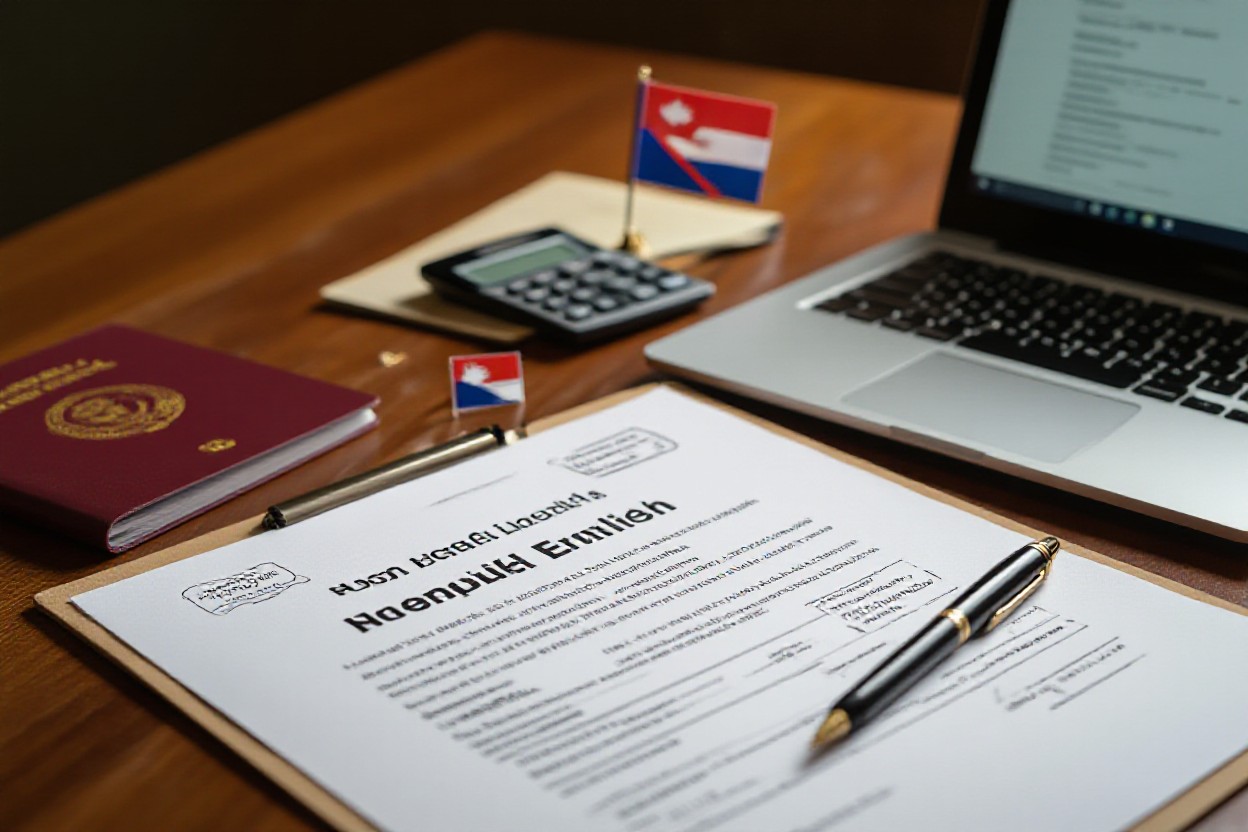
Under the Labor Act, 2017 (2074 BS) and the Foreign Employment Act, 2007 (2064 BS), you must follow clear statutory rules on contracts, working hours and employment protections. Normal working time is capped at 8 hours per day and 48 hours per week, with paid overtime required by law. Written contracts, registration with relevant authorities, and compliance with tax and social security obligations are mandatory for employers.
You must issue written employment contracts detailing wages, duties and duration, register employees with the Department of Labour (and the Department of Foreign Employment for overseas hires), keep accurate payroll and attendance records, remit income tax and social security contributions, provide statutory leave and workplace safety measures, and comply with reporting and inspection requirements-noncompliance can lead to fines, license suspension or prosecution.
Workers have rights to safe working conditions, statutory wages, weekly rest and paid leave, social security benefits, and freedom to join unions and engage in collective bargaining. You must not discriminate or subject employees to forced labor or unlawful recruitment fees; the Labour Office can investigate complaints and order remedies, reinstatement or compensation where violations occur.
You should provide clear pay slips, honor overtime premium rules and maintain grievance channels with timely resolution (many firms adopt 30‑day targets). For female staff, maternity protections include paid leave and job security, and for migrant workers you must ensure transparent contracts and avoid passing recruitment costs onto the employee.
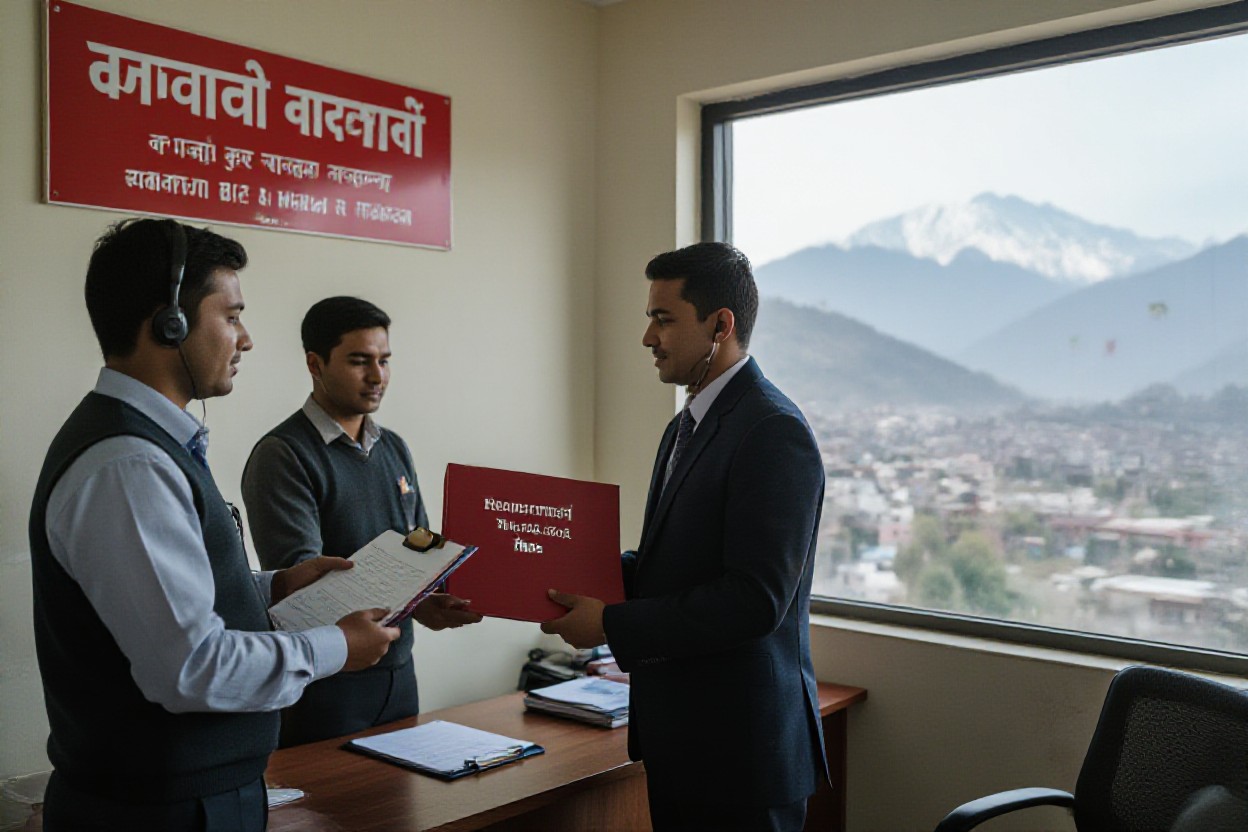
When you recruit from Nepal, follow the Foreign Employment Act 2007 and register hires with the Department of Foreign Employment (DoFE); for practical guidance on compliance and templates consult Global HR Compliance in Nepal. For example, if you recruit 20 construction workers for a Gulf project, you must engage a licensed Nepali agent, secure written contracts, complete medical checks and PDOT, and confirm the destination work visa before departure.
You must use a DoFE-licensed recruitment agency, submit job contracts for DoFE approval, obtain each worker’s medical certificate and police clearance, and ensure mandatory pre-departure orientation (PDOT). Contracts should be bilingual and mirror destination-country visa/work-permit terms; non-compliance can trigger fines, repatriation costs, and denied departure at the airport.
You should ensure transparent fee allocation (employer-paid fees where required), publish clear salary and benefit breakdowns, verify agent licenses, perform documented background and reference checks, and keep complete records of contracts and payments to protect workers and your organisation’s reputation.
Operationally, shortlist candidates via structured video interviews, run identity and reference checks (copies of passport and local ID), use standardised, itemised offer letters, require signed consent for any deductions, and provide documented PDOT completion. When possible, pilot small cohorts (5-20 hires) to validate agent performance and compliance before scaling recruitment volumes.
You will confront a mix of legal, administrative and operational hurdles: navigating the Nepal Labour Act 2017, securing employment permits and work visas, managing payroll tax and social security registration, and adapting to frequent festival-related workforce fluctuations such as Dashain and Tihar. Local infrastructure constraints, occasional transport shutdowns (bandhs) and fragmented skill pools in rural areas can delay projects and raise costs, so proactive local engagement and robust compliance systems become vital to avoid penalties and reputational risk.
Complying with Nepal’s Labour Act 2017 means issuing written contracts, registering employees for social security, withholding income tax via a PAN, and obtaining employment permits for foreign nationals; failure can trigger inspections and sanctions. You should track sector-specific minimum wages, overtime rules and statutory leave, and coordinate with the Department of Labour and Inland Revenue to ensure timely filings-using local counsel or payroll providers often prevents costly missteps during audits or permit renewals.
Hierarchy and indirect communication often shape workplace dynamics, so you must adapt management style to respect seniority while encouraging open feedback; festival seasons like Dashain and Tihar typically cause week-long absences, and English fluency varies outside urban centers, affecting training and documentation. Building bilingual materials and scheduling around major holidays helps maintain productivity and morale.
To mitigate cultural friction, you should invest in local HR talent, provide cultural-awareness training for expatriate managers, and partner with Nepali firms for recruitment and community outreach; for instance, planning major hires or project milestones at least 4-6 weeks before Dashain avoids disruption. Adopting flexible shift patterns, translating contracts into Nepali and involving respected local leaders in dispute resolution all reduce misunderstandings and improve retention.
Recruitment agencies act as your on-the-ground partner in Nepal, handling DoFE registration, candidate screening, document preparation, medical checks and pre-departure orientation. You rely on them to translate local contracts, secure visas and coordinate travel while complying with Nepal’s Foreign Employment Act and host-country requirements. Effective agencies also maintain grievance records and post-placement follow-up, reducing your risk of non-compliance, worker abandonment or reputational harm.
Verify the agency’s Department of Foreign Employment (DoFE) license and ask for metrics: annual placements, attrition and complaint rates. You should request client references and sample contracts in Nepali and English, confirm they conduct medicals and 3-5 day orientation, and inspect fee structures to ensure fees are employer-paid or within legal limits. Prioritize agencies with transparent reporting and an on-site compliance officer.
Insist the agency follows fair recruitment practices: no worker-paid placement fees, clear written contracts, no passport retention, and a documented grievance mechanism. You can require alignment with ILO fair recruitment principles, evidence of pre-departure training, and records of labor inspections or sanctions to assess integrity.
For deeper assurance, build a compliance checklist and audit cadence: verify DoFE license and registration numbers, review 20-30 sample contracts annually, interview a random 10% of recently placed workers within 60-90 days, and require monthly placement reports. Include contractual clauses forcing agency cooperation in investigations, escrow or bank guarantees for unpaid wages, and KPIs such as complaint rate under 5% and timely repatriation metrics. Conduct on-site visits at least biannually and escalate breaches with termination clauses and financial penalties.
Non-compliance exposes you to regulatory action, worker claims, and operational disruption: the Department of Foreign Employment and labour courts can suspend licences, order repatriation, and impose fines while civil suits for unpaid wages or contract breaches can drain resources. Enforcement actions have in past led to agency suspensions and mass repatriations, and because remittances represent roughly 25-30% of Nepal’s GDP, mishandling cases attracts swift government scrutiny and cross-border pressure that can halt your workforce supply chains.
You face administrative penalties, criminal liability under trafficking and labour statutes, and private litigation; authorities can suspend or revoke your recruitment licence for months or years, require compensation, and collaborate with foreign jurisdictions on extradition or prosecution. Courts have ordered back-pay and damages in Nepali labour disputes, and prosecutions can result in imprisonment alongside corporate fines-forcing you to budget for legal defence, mandated repatriation costs, and long-term compliance remediation.
Your reputation directly affects access to Nepali workers and partner agencies: publicised violations can lead sending agencies, local unions and embassies to blacklist you, cutting off recruitment channels and client contracts. Media exposés and NGO reports often trigger rapid social media backlash; firms named in such reports frequently see hiring freezes and lost tenders, compounding immediate financial penalties with lasting brand damage.
Digging deeper, reputational fallout often translates into measurable losses: you can lose contracts worth hundreds of thousands to millions, see recruitment lead times extend from weeks to many months, and face increased scrutiny from hiring countries that raise compliance costs by 20-50%. Past incidents have led to suspension of multiple agencies and repatriation of hundreds to thousands of workers, showing how quickly reputational harm converts into operational and financial crisis for employers.
Summing up, to operate ethically in Nepal you must align recruitment practices with local labor laws, secure proper permits, draft clear contracts, ensure fair wages and safe working conditions, and conduct thorough due diligence on partners and agents; ongoing compliance monitoring, transparent grievance mechanisms, and consultation with legal and local experts will protect your workforce, reputation, and business continuity.

Sudarshan Sapkota is a distinguished human resource expert and a renowned specialist in abroad job recruitment. With over two decades of experience in the HR industry, Sudarshan has become a leading figure in connecting talent with opportunities across the globe from Nepal. His expertise spans a wide array of sectors, ensuring that both employers and job seekers receive the best possible match for their needs.