


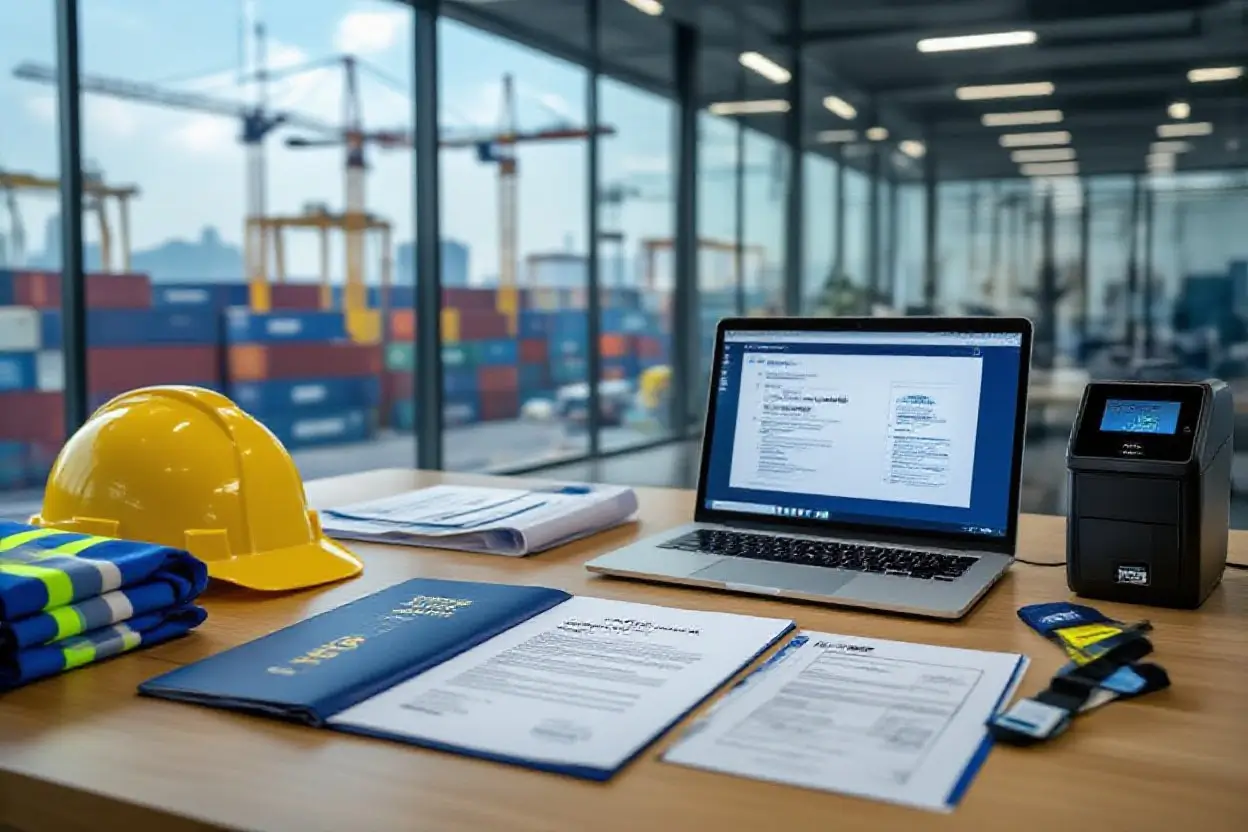
Over the next hiring cycle, you must vet candidates for skills and compliance: target Skilled masons for Gulf projects, Certified heavy equipment operators and BIM-trained supervisors, and prioritize Forklift driver recruitment through a Licensed recruitment agency Nepal that understands Foreign employment act compliance and Construction labor export Nepal regulations; streamline Logistics workforce supply Nepal by verifying certifications, conducting practical assessments, and setting clear contracts to protect your projects and workforce.
You should expect a labor pool shaped by steady migration patterns and strong remittance ties, where construction labor export Nepal and logistics workforce supply Nepal remain major streams; many employers source teams via a licensed recruitment agency Nepal to ensure Foreign Employment Act compliance and visa documentation for roles from Skilled masons for Gulf projects to Certified heavy equipment operators and Forklift driver recruitment positions.
You will find the market segmented between formal recruiters and local agents, with licensed recruitment agency Nepal managing overseas placements and government rules enforcing Foreign Employment Act compliance; for Gulf projects, demand often targets Skilled masons for Gulf projects, Certified heavy equipment operators and BIM-trained supervisors, while logistics hires focus on forklift driver recruitment and warehouse crews for rapid deployment.
You’ll notice strong team orientation, disciplined attendance, and practical trade skills-many workers arrive with journeyman-level experience in masonry, rebar tying, equipment operation, or logistics handling, and employers often prefer candidates with certifications such as for heavy equipment or BIM-trained supervisors to reduce on-site training time.
You can leverage these traits by specifying certification requirements in job orders: for example, prioritize Certified heavy equipment operators for earthworks and designate BIM-trained supervisors for projects needing clash detection and model coordination, while sourcing Skilled masons for Gulf projects where finish quality and speed matter.
You must plan around communal norms, hierarchical respect for supervisors, and festival leave patterns (Dashain/Tihar), while addressing dietary and accommodation needs for overseas deployment; integrating clear contracts and Foreign Employment Act compliance clauses helps prevent misunderstandings during construction labor export Nepal and logistics workforce supply Nepal operations.
You should also stagger rotations around major Nepali holidays, provide prayer-friendly spaces when relevant, and ensure meal options align with cultural preferences-doing so improves retention, eases supervision for BIM-trained supervisors and site managers, and supports smoother Forklift driver recruitment and onboarding.
You can access a wide range of talent in Nepal for construction and logistics, including Skilled masons for Gulf projects and BIM-trained supervisors. Use a Licensed recruitment agency Nepal to Hire Skilled Workers from Nepal efficiently.
Recognizing Foreign employment act compliance and Construction labor export Nepal safeguards will reduce project risk.
| Worker Type | Typical Skills & Compliance |
|---|---|
| Skilled masons for Gulf projects | 5-8 years, Gulf-ready trades tests, Construction labor export Nepal vetted |
| Certified heavy equipment operators | Crane/excavator endorsements, 3-7 years, certified, Foreign employment act compliance |
| BIM-trained supervisors | BIM certifications, coordination of models and teams, experience on Gulf projects |
| Forklift drivers | Licenses, safety records, forklift driver recruitment focus, logistics workforce supply Nepal |
In trades you’ll hire masons, carpenters, electricians and heavy-equipment operators; Skilled masons for Gulf projects typically show 5-8 years and pass practical tests. You should prioritize Certified heavy equipment operators with documented hours and crane endorsements sourced via a Licensed recruitment agency Nepal to align with Construction labor export Nepal procedures and Foreign employment act compliance.
Logistics roles span forklift drivers, warehouse supervisors, customs clearance agents and transport coordinators; Forklift driver recruitment emphasizes certifications and incident-free records, while logistics workforce supply Nepal delivers scalable teams for port handling and third‑party warehouses.
You should vet candidates for documented certifications, digital tracking experience and local export/import rules; for example, hiring 20 certified forklift drivers through a Licensed recruitment agency Nepal cut turnaround by 30% on a Kathmandu-to-Dubai lane in 2024, showing clear ROI and adherence to Foreign employment act compliance.
When hiring Nepali workers for Gulf construction and logistics you must assess skill mix, compliance, and sourcing channels; consult resources like Top Sectors Employing Nepalese Manpower for market trends.
After you perform document checks, prioritize candidates with logged on-site hours and employer references.
You must verify that contracts and recruitment follow Nepal’s Foreign Employment Act and host-country labor laws; insist on a licensed recruitment agency Nepal with license number on file. Check visa categories, mandated insurance, repatriation clauses and employer liability; processing often takes 6-8 weeks for Gulf visas and you should keep copies of signed employment agreements and wage confirmations.
You should require certified heavy equipment operators with 2-5 years operating in the Gulf and valid type-specific certifications, forklift drivers with valid licenses and logbooks, skilled masons with concrete formwork or blockwork portfolios, and BIM-trained supervisors holding Revit or Navisworks certificates plus 3+ years coordinating teams.
Assess practical competence through trade-specific tests: simulate masonry layouts, review run-hour logs for heavy equipment, and conduct forklift skills assessments tied to payload handling. When sourcing via construction labor export Nepal channels, you must insist on originals of NCCER or equivalent certificates, ISO training records, or Revit BIM completion; on a 2024 Dubai logistics hub hire employers required 500+ operating hours for forklift drivers and a 7-day supervised probation, cutting equipment incidents by 28%.
You need to budget beyond salaries: factor employer-paid visa, airfare, insurance, accommodation and agency fees (often 8-15% of first-year compensation). Expect total landed cost to be 1.4-1.7× the base wage for Gulf construction or logistics roles when using licensed recruitment agency Nepal under Foreign employment act compliance. Track payroll taxes, exit permit costs, and overtime liabilities for accurate forecasting.
Example: a skilled mason for Gulf projects might have a base wage of $350-450/month; add employer-paid visa ($200 one-time amortized), accommodation ($80-120/month), insurance ($15/month) and agency fees amortized (~$50/month) to reach a landed cost of roughly $500-700/month. You should model per-role breakouts-certified heavy equipment operators and forklift drivers often command 15-30% premiums over general labor.
| Step | Action |
|---|---|
| 1. Define roles | List numbers and specs: skilled masons for Gulf projects, BIM-trained supervisors, certified heavy equipment operators, forklift driver recruitment. |
| 2. Choose partner | Engage a licensed recruitment agency in Nepal with Department of Foreign Employment registration and Gulf placement record. |
| 3. Vet skills | Test practical skills, check certifications, run trial tasks for supervisors and operators; use sample KPIs from past projects. |
| 4. Compliance | Ensure Foreign employment act compliance, construction labor export Nepal rules, and employer-side visa/work permit processes. |
| 5. Documents | Collect contracts, medicals, police clearance, diplomas attested and translated; prepare visa packets and employer letters. |
| 6. Logistics | Coordinate travel, pre-departure orientation, and logistics workforce supply Nepal handover to site supervisors. |
| 7. Onboard | Implement induction, safety training, and 30/90-day performance reviews with your project BIM-trained supervisors. |
You should quantify roles by project phase-example: 30 skilled masons for Gulf projects during shell works, 8 BIM-trained supervisors for coordination, 5 certified heavy equipment operators and 4 forklift drivers for logistics-then map durations, shift patterns, and accommodation capacity so your procurement aligns with realistic workforce demand and Logistics workforce supply Nepal constraints.
You must shortlist agencies licensed in Nepal, verify Department of Foreign Employment registration, request recent Gulf placement records, check fee breakdowns, and confirm they recruit for Construction labor export Nepal under Foreign employment act compliance; ask for references showing placements of certified heavy equipment operators and BIM-trained supervisors within the last 18 months.
Assess agency contracts for service-level commitments: require candidate skill verification reports, pre-departure training outlines, refund/replace clauses with timelines (e.g., replacement within 30 days), and a record of coordinating Forklift driver recruitment and Logistics workforce supply Nepal to reduce transit delays and onboarding risk.
You should prepare employment contracts in English and Nepali, authenticated diplomas/certificates for Certified heavy equipment operators and BIM-trained supervisors, medical fitness and police clearance, visa support letters, and ensure all paperwork meets Foreign employment act compliance and embassy requirements for Construction labor export Nepal to avoid rejections.
Expect a 4-8 week timeline: notarize and apostille where required, obtain departmental attestation, schedule medicals at approved centers, keep digital copies, and coordinate with your licensed recruitment agency to track embassy appointments and final visa stamping so arrivals match your project mobilization dates.
Use targeted sourcing, skills tests, and compliance checks to reduce turnover in construction labor export Nepal roles. You should prioritize partnerships with a licensed recruitment agency Nepal, verify Foreign employment act compliance, and screen for certified heavy equipment operators and forklift driver recruitment credentials. Implement short practical trials-45-90 minutes on-site tests reveal real ability for BIM-trained supervisors and skilled masons for Gulf projects. Assume that you track hire-to-retention ratios quarterly and adjust sourcing accordingly.
You should list clear pay bands and benefits-competitive wage ranges, paid accommodation, medical insurance, and overtime at defined rates-to improve acceptance for skilled masons for Gulf projects and logistics workforce supply Nepal. Highlight required credentials like certified heavy equipment operators or BIM-trained supervisors, promise fast visa processing via your licensed recruitment agency Nepal, and specify start dates and training windows to reduce dropouts during onboarding.
You should combine technical tests, 30-45 minute practical simulations, and structured behavioral questions to assess fit for roles like forklift driver recruitment and skilled masons for Gulf projects. Always validate certifications for certified heavy equipment operators and confirm documentation via your licensed recruitment agency Nepal to meet Foreign employment act compliance. Prioritize scenario-based prompts that reveal problem-solving under pressure.
Use a standardized scoring rubric with weighted criteria-30% technical, 40% practical, 30% soft skills-and include a BIM-trained supervisor or site foreman on the panel for construction roles. Require on-site demonstrations: mortar-laying for masons, equipment operation for heavy operators, and a timed pallet-stacking drill for forklift candidates. Verify employment records through Nepal Foreign employment act compliance checks and run criminal/medical screenings where permitted; store interviewer scores in an ATS for repeatable decisions.
You should showcase worker welfare programs, transparent contracts, and career pathways-offer onsite training that upskills labor for Construction labor export Nepal and promotes BIM-trained supervisors from within. Publish case studies and testimonials showing retention improvements (for example, 12-month retention rising from 55% to 78%) to attract logistics workforce supply Nepal and skilled masons for Gulf projects. Emphasize safety records and prompt payroll to differentiate your offers.
Leverage WhatsApp hiring lists, Facebook groups in Kathmandu, job fairs in Pokhara, and partnerships with vocational schools to build pipelines for forklift driver recruitment and certified heavy equipment operators. Work with a licensed recruitment agency Nepal to streamline legal compliance and promote your Foreign employment act compliance credentials. Track application-to-hire ratio, time-to-fill, and candidate Net Promoter Score to refine messaging and lower agency costs over time.
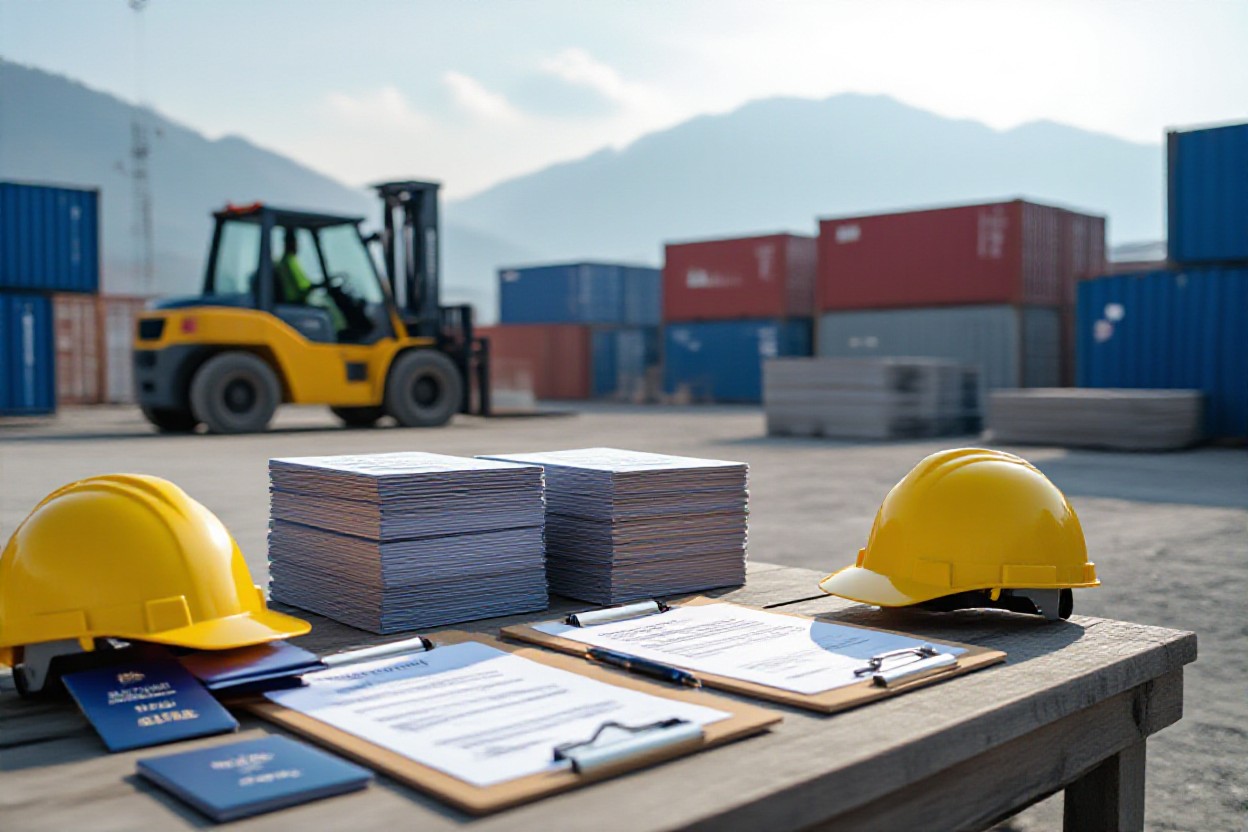
You gain access to a large, disciplined labor pool-Nepal supplies hundreds of thousands of overseas workers annually-so you can source Skilled masons for Gulf projects, Certified heavy equipment operators and BIM-trained supervisors through a Licensed recruitment agency Nepal while maintaining Foreign employment act compliance; this mix lowers turnover, eases Logistics workforce supply Nepal needs, and supports Forklift driver recruitment for warehousing or project logistics without compromising standards or schedule.
You’ll notice Nepali crews often show high attendance and task-focus on-site; Skilled masons for Gulf projects regularly meet tight build milestones, and Certified heavy equipment operators follow maintenance logs and safety checklists, which reduces rework and downtime; when you pair them with BIM-trained supervisors, coordination improves on complex concrete pours and sequence-critical lifts.
You can lower labor spend: hiring through Construction labor export Nepal channels and a Licensed recruitment agency Nepal typically yields base-rate savings versus local markets, often translating to 20-40% lower direct labor cost for comparable skill levels, while still meeting compliance and reducing total project labor burn.
Digging deeper, when you factor recruitment fees, visa management, and repatriation handled by a Licensed recruitment agency Nepal compliant with the Foreign employment act compliance, your landed cost per worker falls further; for Forklift driver recruitment or Certified heavy equipment operators, streamlined hiring and group mobilization reduce per-head admin by weeks and cut idle time on arrival.
You’ll find Nepali workers adapt quickly to mixed crews: Logistics workforce supply Nepal often includes candidates comfortable with English basics and site protocols, and BIM-trained supervisors bridge communication between design teams and trades, helping your multinational crews align on sequencing, safety, and quality expectations without lengthy cultural onboarding.
In practice, companies report onboarding periods of 2-4 weeks for site-specific systems when you provide targeted induction and mentorship; deploying Nepali Forklift driver recruitment or BIM-trained supervisors into existing teams reduces coordination errors and improves schedule adherence, particularly on fast-track Gulf and GCC logistics hubs where time-to-productivity matters.
You’ll face mixed operational hurdles: sourcing skilled masons for Gulf projects and certified heavy equipment operators while securing logistics workforce supply Nepal to meet tight timelines. Many employers report needing 10-50 trained hires per project phase, and competition for BIM-trained supervisors is growing. Balancing cost, Foreign employment act compliance and ethical recruitment via a licensed recruitment agency Nepal adds layers of vetting, visa coordination and practical onboarding you must manage before deployment.
You often encounter limited English or Arabic fluency that disrupts safety briefings and technical handovers; for example, forklift driver recruitment can stall when operators can’t follow load-chart instructions. You should include language assessments in screening, use pictogram-based SOPs and schedule short, targeted language induction (2-4 sessions) so certified heavy equipment operators and site teams can communicate critical commands on day one.
You’ll notice workplace norms differ: Nepali crews may defer to seniority, prefer collective problem-solving and respond to direct, respectful supervision-factors BIM-trained supervisors must adapt to when managing multinational sites. Adjusting leadership style reduces misunderstandings and improves productivity on mixed teams.
To operationalize this, you should run a 1-2 day cultural orientation covering Gulf workplace customs, religious observances like Ramadan adjustments, punctuality expectations and gender-role policies. Pair new hires with an experienced buddy, use situational role-play during training and capture local site rules in translated one-page guides so your skilled masons for Gulf projects and logistics staff integrate faster and with fewer incidents.
You must navigate visa categories, attested employment contracts, pre-departure clearance and Foreign employment act compliance, which mandates use of a licensed recruitment agency Nepal for formal placement and pre-departure orientation. Any missing attestation or incorrect contract clause can delay deployment by weeks and expose you to penalties under Nepal’s export regulations for construction labor export Nepal.
Practical steps include verifying the recruitment agency’s Department of Foreign Employment registration, obtaining police clearance and medical certificates, arranging embassy attestation of contracts and allowing a 4-8 week processing window. You should keep digital copies of all documents, track recruitment fee receipts to ensure legal limits are respected, and use checklist workflows to prevent costly rework before workers depart.
Set a structured 30-day onboarding plan so you combine Foreign employment act compliance checks, identity verification with a Licensed recruitment agency Nepal, and staged skill validation. Break it into three modules-pre-departure, arrival orientation, on-site mentoring-and measure completion rates, safety incidents, and first-month productivity to compare cohorts of Skilled masons for Gulf projects, Certified heavy equipment operators, and logistics hires.
Deliver a 5-7 day pre-departure course you design with the Licensed recruitment agency Nepal covering contract terms, host-country basics, and safety certification. Include hands-on sessions for forklift driver recruitment and Certified heavy equipment operators, visa documentation checks, and role-play scenarios; require passing a written checklist and submitting training logbooks before departure.
Implement a 2-4 week cultural assimilation track that pairs each Nepali worker with a local mentor at a 1:5 ratio, teaching workplace norms, basic host-country language phrases, and conflict resolution. Use short workshops, buddy shifts, and site visits so you reduce misunderstandings and enable BIM-trained supervisors and Logistics workforce supply Nepal coordinators to integrate teams faster.
You should focus specific modules on situations Skilled masons for Gulf projects face-housing rules, prayer time arrangements, and tool-sharing etiquette. For larger sites, run weekly cross-cultural briefings led by BIM-trained supervisors, track adjustment via 14-day surveys, and involve family liaison officers to support Construction labor export Nepal processes and improve retention.
Design role-based training with a 40-hour practical block plus a competency checklist of 10 signed tasks for Certified heavy equipment operators, forklift driver recruitment candidates, and Skilled masons for Gulf projects. Include simulator hours for heavy equipment, scaffold and masonry skill tests, and shadowing under a BIM-trained supervisor before independent deployment.
You must align assessments with Foreign employment act compliance and certifications from a Licensed recruitment agency Nepal, keeping training records for Construction labor export Nepal audits. For logistics hires, standardize forklift and loading assessments, and for supervisors create a 20-hour BIM coordination module tied to performance milestones.
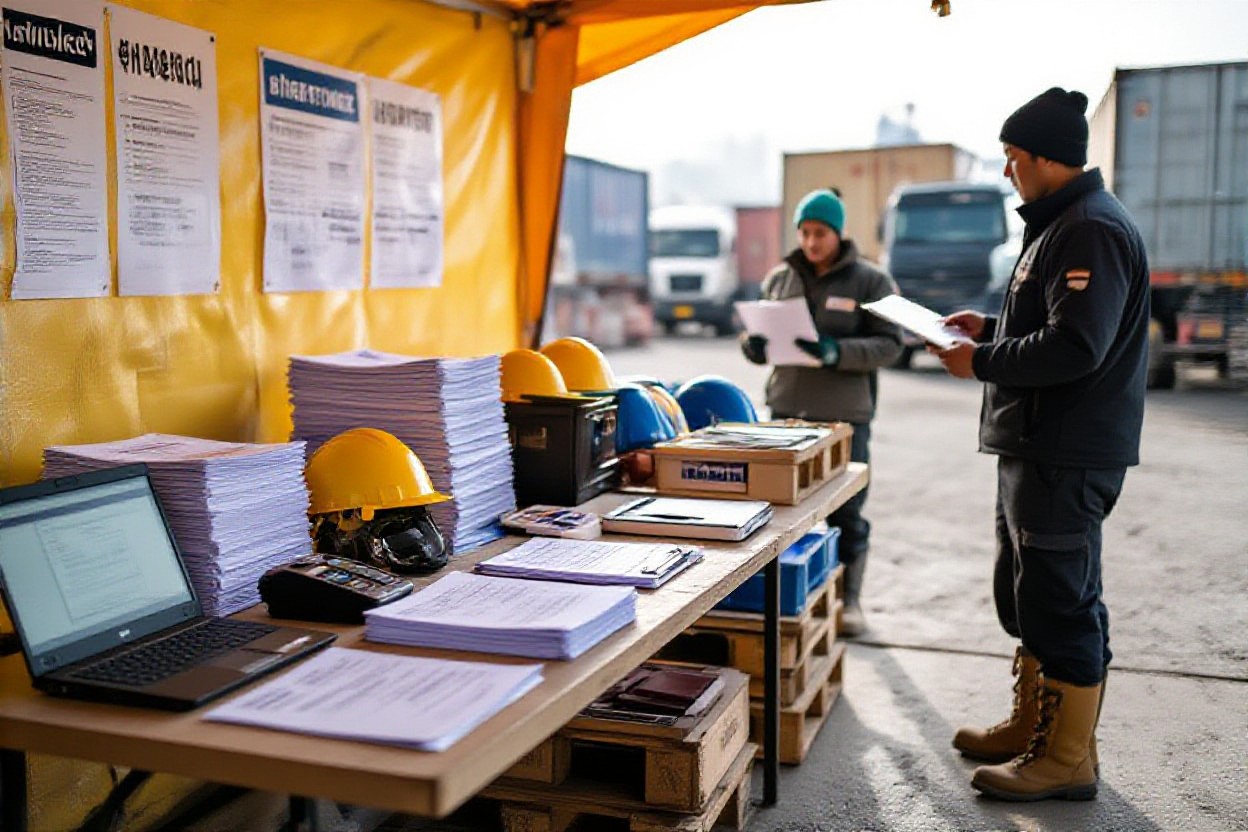
When managing Nepali crews, balance legal requirements with operational standards by enforcing foreign employment act compliance, using a licensed recruitment agency Nepal to vet contracts, and tracking certifications for certified heavy equipment operators and BIM-trained supervisors. You should set KPI targets – for example, cut rework 20% in six months – and perform monthly audits on payroll, welfare, and safety to match Gulf project benchmarks and stabilize your construction labor export Nepal pipeline.
You must address language and cultural needs directly: provide Nepali-language safety briefings, visual SOPs, and grievance channels with translation. Mix experienced personnel like skilled masons for Gulf projects with newcomers during shifts, run a four-week induction covering PPE and remittance procedures, and partner with a licensed recruitment agency Nepal to improve transparency and reduce absenteeism.
You should standardize multilingual communications: conduct daily toolbox talks in Nepali with English summaries, use visual job cards for forklift driver recruitment tasks, and maintain digital logs for logistics workforce supply Nepal to manage shifts. Leveraging WhatsApp or SMS for shift changes and incident alerts can cut on-site response time by up to 40% on busy projects.
Train BIM-trained supervisors and site leads in plain-language briefings and run role-play for escalations; for instance, simulate a crane-forklift interface incident with certified heavy equipment operators and document three corrective actions. Archive translated incident reports and voice notes to support foreign employment act compliance and provide evidence during construction labor export Nepal audits.
You can strengthen teams by creating mixed-skill crews where certified heavy equipment operators mentor new hires and scheduling weekly cross-role reviews; one contractor improved productivity 15% after adding mentor shifts. Promote shared meals, cultural events, and clear promotion pathways to lower turnover among logistics workforce supply Nepal personnel.
Set up a 90-day mentorship for each new mason or forklift driver recruitment hire, require weekly progress reports, and define measurable targets such as proficiency in five core tasks. Tie small incentives – attendance bonuses or safety awards – to team KPIs to boost morale and retention across your construction labor export Nepal roster.
You must blend pay, career paths, and compliance to keep Skilled masons for Gulf projects, Certified heavy equipment operators and BIM-trained supervisors onboard; tie retention targets to Logistics workforce supply Nepal metrics, comply with Foreign employment act compliance and use licensed partners for Construction labor export Nepal to reduce churn, aiming to cut turnover below 15% annually through targeted incentives and clearer progression.
You should benchmark pay using a Licensed recruitment agency Nepal, offer base wages aligned with Gulf market rates, add 5-10% retention bonuses, overtime at legal rates, housing or travel allowances and remittance facilitation; for Forklift driver recruitment and certified heavy equipment operators, link salary bands to certification levels and project profitability to keep top talent from switching employers.
You can run accredited apprenticeships and sponsor certifications for Certified heavy equipment operators and BIM-trained supervisors, partner with local trade schools or a Licensed recruitment agency Nepal for 3-6 month upskilling, and require certification milestones for promotion to supervisor roles to make career ladders tangible.
You might implement a 12-week operator program that combines classroom theory with 120 hours of hands-on machine time; case studies show similar programs cut incidents by ~30% and raise output by ~15-20%. Also fund Forklift driver recruitment courses and provide paid study leave, tying completion to salary increases and priority for international placement via Construction labor export Nepal channels.
You should run regular toolbox talks, quarterly surveys and recognition awards, provide safe accommodation and family-visit support, set up grievance channels and mental health access, and include productivity bonuses to boost morale-practical moves that improve retention among Logistics workforce supply Nepal and front-line crews.
You can introduce monthly “operator of the month” awards, rotate crews between sites to reduce monotony, arrange monthly remittance clinics with partner banks, and create safety committees with worker representation; these measures typically cut unplanned absenteeism and minor disputes by a noticeable margin within six months.
| Pros | Cons |
|---|---|
| High-skilled trades like Skilled masons for Gulf projects | Initial recruitment, visa, and deployment costs |
| Availability of Certified heavy equipment operators | On-site integration and language gaps |
| Generally lower wage expectations-affordability for large projects | Worker mobility and contract turnover after 6-24 months |
| Growing pool of BIM-trained supervisors for technical roles | Foreign Employment Act compliance can add paperwork and time |
| Reliable Logistics workforce supply Nepal, including Forklift driver recruitment | Host-country licensing or certification recognition delays |
| Proven Construction labor export Nepal channels and networks | Employer obligations for housing, health, and repatriation |
| Scalable deployment for multiple-site Gulf projects | Risk of unlicensed recruiters if you don’t use a Licensed recruitment agency Nepal |
| Access to niche roles: forklift drivers, heavy operators, supervisors | Variable retention depending on contract terms and benefits |
| Strong practical experience from previous Gulf and regional projects | Time and cost to align safety and quality standards |
| Cost-effective sourcing when you engage vetted agencies | Potential legal or payroll complexity across jurisdictions |
You can tap skilled masons for Gulf projects, Certified heavy equipment operators, and BIM-trained supervisors who have practical Gulf experience; many firms find Logistics workforce supply Nepal provides reliable forklift driver recruitment and bulk crews for phased deployments. You’ll often pay 20-40% less than regional mid-market rates while maintaining productivity, especially when you source through a Licensed recruitment agency Nepal that vets certifications and matches skills to site needs.
You should expect upfront lead time-typically 4-12 weeks-for recruitment, medicals, visas, and Foreign Employment Act compliance, plus costs for accommodation and orientation. Integration challenges include language, local safety practices, and host-country licensing; mobility is high when short-term contracts and remittance incentives encourage turnover, so you may face repeated hiring cycles.
More detail: you’ll pay fees for documentation, employer registration, and often pre-departure training; partnering with a Licensed recruitment agency Nepal reduces risk of fraud and speeds compliance, but you’ll still need on-site onboarding, language support, and skill gap bridging for site-specific equipment. Planning for 10-20% extra on initial labour cost for training and housing usually prevents schedule slippage and reduces early attrition.
You should pilot hires, mandate Foreign Employment Act compliance checks, and budget for pre-departure and on-site training to convert pros into reliable outcomes; partnering with a Licensed recruitment agency Nepal and verifying certificates from operators and BIM-trained supervisors will let you scale while controlling turnover and quality.
| Action | Expected Effect |
|---|---|
| Pilot cohort (10-30 workers) | Proof of performance, reduced scale-up risk |
| Partner with Licensed recruitment agency Nepal | Faster vetting, lower fraud risk |
| Pre-departure and on-site induction | Fewer integration delays, improved safety compliance |
| Verify certifications for Certified heavy equipment operators | Immediate deployment capability |
| Use BIM-trained supervisors on technical scopes | Higher coordination and fewer rework cycles |
| Contract terms with retention bonuses | Lower turnover during critical phases |
| Ensure Foreign Employment Act compliance checks | Reduced legal and reputational risk |
| Standardize accommodation and welfare | Better morale and productivity |
| Local bilingual supervisors or HR | Smoother communication and faster issue resolution |
| Track KPIs: productivity, absenteeism, cost-per-hire | Data-driven adjustments to sourcing strategy |
More info: you’ll measure ROI by comparing reduced labour costs and improved schedule adherence against setup expenditures; many employers find that a single successful pilot of 20-50 Construction labor export Nepal hires justifies broader recruitment. You should monitor KPIs weekly, enforce certificate validation for operations and forklift driver recruitment, and keep contracts aligned with local employment rules so scaling remains compliant and predictable.
With roughly 400,000 Nepali workers going abroad each year, you’ll see Construction labor export Nepal remaining strong while demand shifts toward more specialized roles: Skilled masons for Gulf projects, certified heavy equipment operators, and a growing Logistics workforce supply Nepal for port, warehouse and inland distribution hubs. Your hiring strategies must match this mix to secure reliable crews and meet contract specifications abroad.
As Gulf and Asian infrastructure programs expand, you should prioritize Nepal Forklift driver recruitment and certified heavy equipment operators alongside Skilled masons for Gulf projects; licensed recruitment agency Nepal notes logistics and site-safety skills now command premium placement. Targeting workers with in-demand credentials reduces onboarding time and lets your projects meet tight schedules on international tenders.
You’ll find employers increasingly require BIM-trained supervisors and formal certification for heavy machinery; investing in upskilling through accredited courses and partnering with a licensed recruitment agency Nepal helps you deliver candidates who meet Foreign employment act compliance and client QA standards overseas.
For example, align with CTEVT-style vocational pathways or short-course providers that issue certified heavy equipment operators and forklift credentials; you can also sponsor modular BIM training for supervisors so your hires can manage digital shop drawings on-site. Prioritize training records during selection to streamline visa and employer approvals and reduce deployment delays.
To sustain supply, you must balance immediate hires with retention and reintegration programs: Construction labor export Nepal needs systems that track skill progression, compliance with the Foreign employment act, and post-deployment support so workers return ready for higher-skilled roles rather than leaving the sector.
Operationally, build career ladders tied to certification-promote certified heavy equipment operators to supervisor tracks and convert experienced forklift operators into trainer roles. Work with licensed recruitment agency Nepal partners to monitor credential validity, manage rotation cycles, and develop repeatable training-to-placement pipelines that protect your project continuity and reduce replacement costs.
You must align hiring with Foreign employment act compliance by registering job orders with the Department of Foreign Employment, using a Licensed recruitment agency Nepal for overseas placements, and ensuring written contracts cover wages, insurance and repatriation. For Construction labor export Nepal to Gulf projects, verify welfare fund contributions, pre‑departure medical checks and mandatory pre‑departure orientation before you confirm any recruitment or placement agreement.
Tap FNCCI, regional chambers and construction forums to boost Logistics workforce supply Nepal; these networks run targeted job fairs and publish vetted recruiter lists that help you source Skilled masons for Gulf projects and streamline Forklift driver recruitment. You should use association directories and member reviews to locate agencies with documented overseas placements and sector‑specific candidate shortlists.
Engage association services directly: many host monthly matchmaking events, maintain verified candidate pools and run sector assessment panels that simulate on‑site tasks. For instance, forums increasingly validate BIM‑trained supervisors through project‑based trials and connect you to Certified heavy equipment operators with logged machine hours; request work‑sample videos, standardized competency certificates and referee checks before issuing offers.
Partner with accredited providers such as CTEVT and reputable private institutes that offer programs for Certified heavy equipment operators, BIM‑trained supervisors and trade certificates for masons. You should require curriculum outlines, pass rates and evidence of third‑party assessment so your hires meet host‑country expectations when you sponsor Construction labor export Nepal or run in‑country upskilling for logistics crews.
Review specific programs: prioritize one‑year operator certifications with logged machine hours, three‑month forklift operator recruitment courses with practical assessments, and masonry apprenticeships featuring competency sign‑offs. Insist on employer‑linked internships, digital credentials you can verify online and formal ties between providers and overseas firms to speed recognition during visa processing and on‑site deployment.
Summing up you should partner with a Construction recruitment agency in Nepal that are a licensed recruitment agency Nepal and compliant with Foreign employment act compliance to source Skilled masons for Gulf projects, Certified heavy equipment operators and Forklift driver recruitment; prioritize BIM-trained supervisors and Construction labor export Nepal credentials to ensure reliable Logistics workforce supply Nepal and your legal, efficient hiring for construction and logistics roles.

Sudarshan Sapkota is a distinguished human resource expert and a renowned specialist in abroad job recruitment. With 18+ years of experience in the HR industry, Sudarshan has become a leading figure in connecting talent with opportunities across the globe from Nepal. His expertise spans a wide array of sectors, ensuring that both employers and job seekers receive the best possible match for their needs.